How To Create A Stylish And Practical Understairs Bathroom | More Bathrooms
Published: 1 December 2020 · Last Updated: 14 August 2025
Making smart use of forgotten or awkward areas in your home has become a popular approach to increasing liveable space. One of the most effective examples is converting the space beneath your stairs into an understairs bathroom. Whether you want to reduce queue times in the morning, give ground floor access to a toilet or subtly boost property value, a well-designed cloakroom in this space can offer both form and function.
This guide explains what's involved in planning, building and designing an understairs bathroom, alongside layout advice and styling tips, with all the essentials covered.
Why Convert Your Understairs Space?
An extra toilet transforms convenience in busy households and is also a feature that helps future-proof a home as inhabitants age. No longer just reserved for large houses or extensions, compact cloakrooms can now be added to most standard floor plans, and the space beneath your stairs is an ideal location.
Converting this space into an understairs bathroom is an increasingly popular choice for homeowners wanting to utilise every inch without compromising on looks or function.
What Space Do you Need And How Should It Be Laid Out?
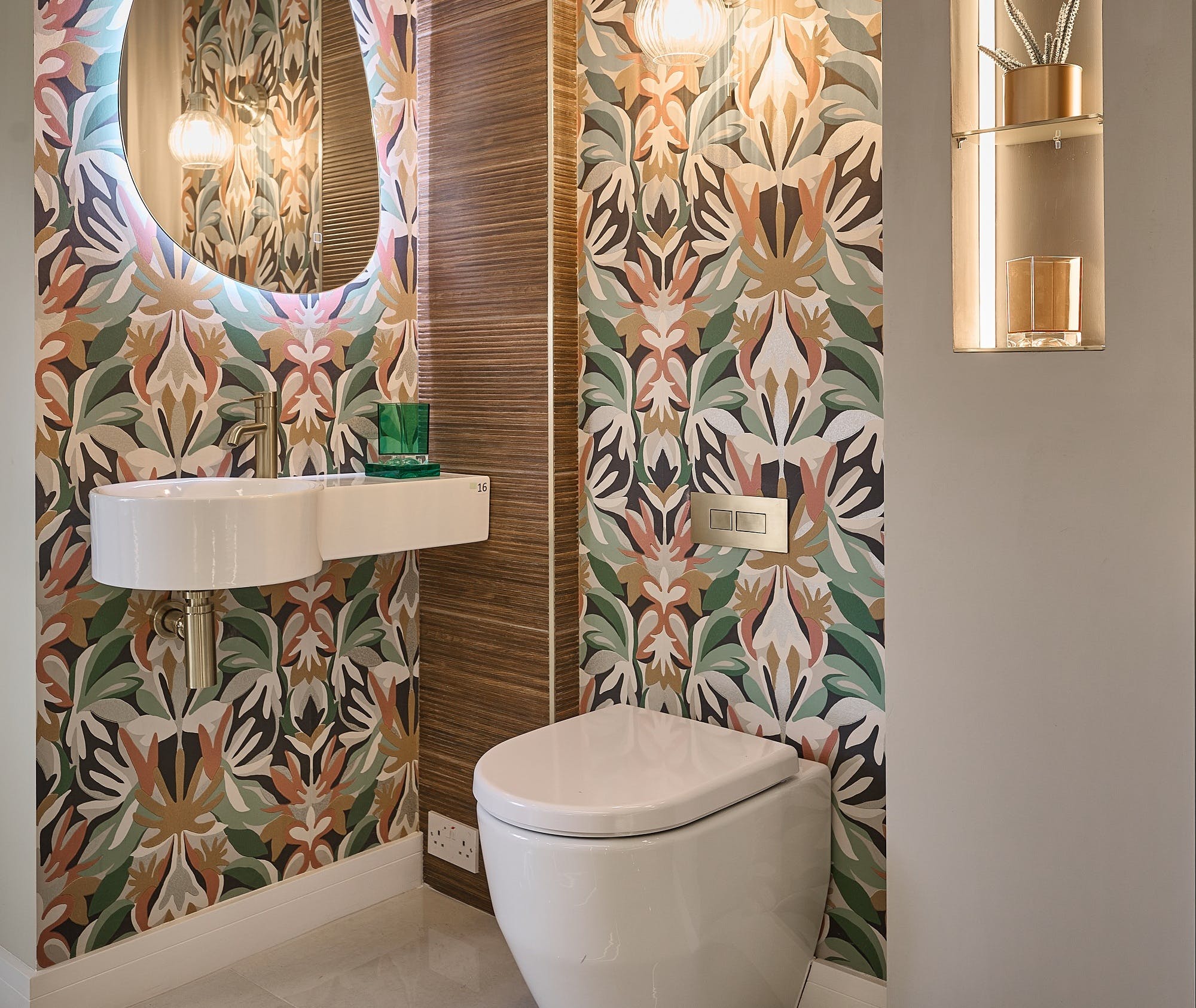
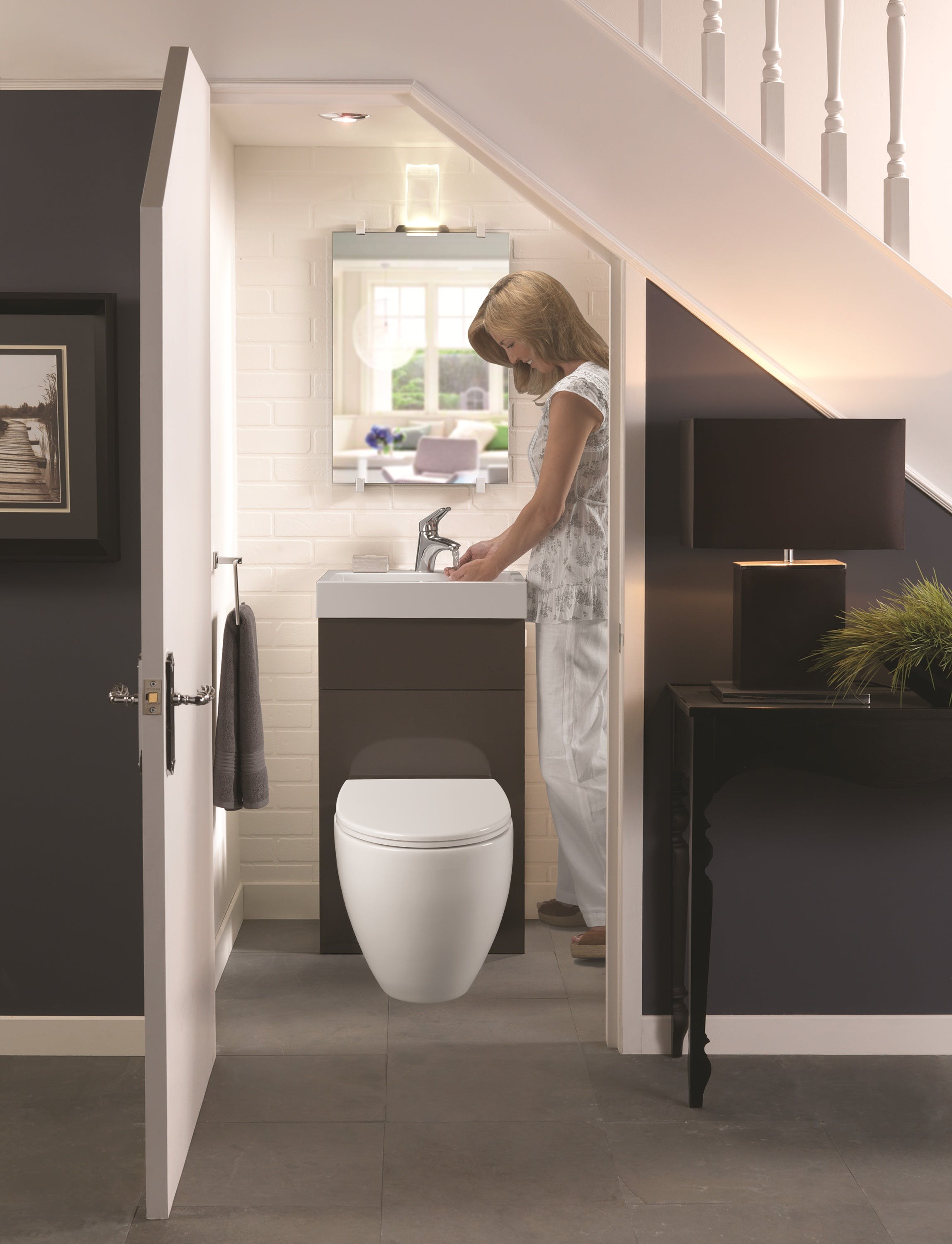
Creating an effective layout starts with accurate space measurement. Most understairs bathrooms require a footprint of at least 80cm by 140cm, though more compact layouts are possible if you choose space-saving fixtures. The toilet should normally sit beneath the highest part of the slope, with the lower area reserved for a basin, towel rail or storage.
Swing direction and door style can have a big impact. Outward-opening or sliding doors help retain usable floor space and prevent pinch points. Specialist planning advice is often required for shaped ceilings and non-standard dimensions.
Building Regulations And Permissions.
When converting an existing understairs space into a cloakroom, planning permission is usually not required, as long as you’re not making changes to the exterior of your home. However, if your property is listed or located in a conservation area, it’s always wise to check with your local authority before starting work.
Even if planning permission isn’t necessary, building regulations still apply. These are in place to ensure that the space is safe, hygienic and functional.
Ventilation is one of the most important requirements. According to UK building regulations, you’ll need either a window that opens more than 15 degrees or an extractor fan capable of removing at least 15 litres of air per second. If your understairs space doesn’t have a window—and most don’t—a mechanical extractor fan will be essential to avoid damp and unpleasant odours. Where possible, it’s recommended to install both.
Plumbing must also meet the correct standards. A qualified professional should carry out the work to ensure proper drainage, safe waste disposal and compliance with the Water Regulations Advisory Scheme (WRAS). This includes making sure that the pipework has the correct gradient and is properly connected to your existing drainage system. Retrofitting plumbing into a confined area like under the stairs can be tricky, so expertise here is especially important.
A wash basin isn’t legally required in a downstairs toilet unless the room opens directly into a kitchen. However, even in small spaces, it’s a practical feature worth including. Previously, regulations required two separating doors between a downstairs toilet and a kitchen. However, this rule has since been relaxed.
Your installer should organise or advise on regulations compliance during the initial survey, so design options remain fully legal and future proofed.

Cost Breakdown.
Simply refreshing your existing services will start at around £2,000 with a new WC, basin, taps, and waste. You will need to factor in the cost of labour and the disposal of your old products.
A typical understairs toilet will cost between £4,000 for a refurb and £10,000 for a complete renovation, including materials, labour, preparation and finishes. Price variations often depend on how easily your new bathroom links into existing plumbing and heating, or whether a full suite or just a WC and basin are required.
Adding extras such as recessed storage, mirrored fittings or special tiling will raise the final cost but enhance the visual return. For a realistic price on how much it would cost to create an understairs cloakroom in your home, book a free design appointment.
Design Ideas And Inspiration.
Well-designed small cloakrooms often feel larger than they are thanks to good material, colour and lighting choices. Pale surfaces, reflective finishes and LED lighting all help optimise perceived space. In a sloped cloakroom, using continuous wall materials like full-height tiles makes the room feel cleaner and prevents visual breaks.
Wall-hung toilets and sinks clear floor space and create a modern look. Matching taps, towel rails and mirrors can tie the look together, particularly in smaller environments where consistency counts. Stylish mirrors also reflect light and enhance depth, especially useful under a staircase where natural light may be limited or, more likely than not, non-existent. Consider layering functional light with decorative lighting above mirrors or inside niches for added character.
Space-Saving Tips.
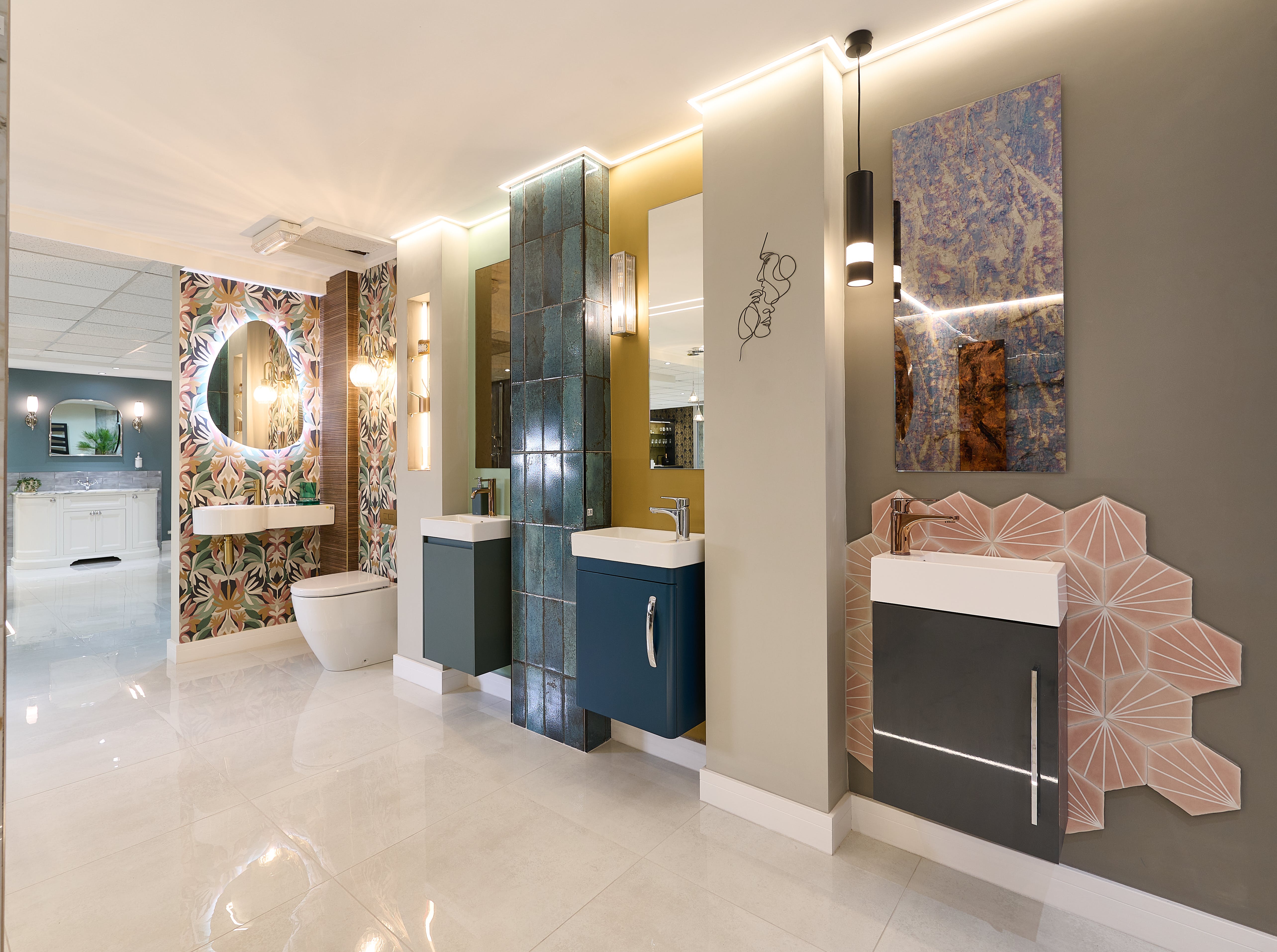
If your layout is unusually tight or angular, opting for short-projection fittings and corner sinks can save vital space. Built-in shelving under lower angles offers utility without crowding. Vanity units that double as storage remove clutter while framing the design.
Floating units are ideal when floor coverage is limited, and visual tricks like matching wall and floor tiles reduce visual interruptions. Electrical elements such as low-profile heating panels or slimline towel rails help prevent obstruction while still bringing comfort and style.

Professional vs DIY Installation.
Involving multiple trades (including plumbing, electrics, joinery and tiling), even a cloakroom can quickly become too complex to manage solo. Working with a company that offers a fully managed service ensures the build meets safety laws and gives you a tailored design, experienced installation and in-house guarantees.
At More Bathrooms, we take care of everything, from the initial design through to installation completion and aftercare. The process is seamless, with everything handled by one team. So why not book a free design appointment?
Frequently Asked Questions.
What are the minimum dimensions for an understairs toilet?
Around 80 cm wide by 140 cm deep is generally sufficient for a toilet and small basin, although the layout may vary depending on the ceiling slope and door access.
Do I need planning permission for an understairs toilet?
No, not usually. Unless you're changing external walls or structure, you only need to comply with building regulations, including functional ventilation and safe plumbing.
How much does it cost to convert an understairs cupboard to a toilet?
Most installations fall between £4,000 and £10,000, depending on access to pipework, the size of the space and the finishes you choose.
Can you fit a toilet under stairs with a low ceiling height?
Yes. Position the toilet at the highest point and use the lower end creatively for basins, shelves or compact storage. Wall-hung items improve comfort and layout.
What toilet works best in a small cloakroom?
Wall-mounted or short-projection toilets make smart use of tight floor plans. These are often paired with corner or slimline basins to maintain access and comfort.
Share this Post


.jpg?auto=compress%2Cformat&cs=strip&fit=clip&h=400&ixlib=php-1.1.0&w=400&s=d2efd30778c9be853eebe98f9547ae42)